
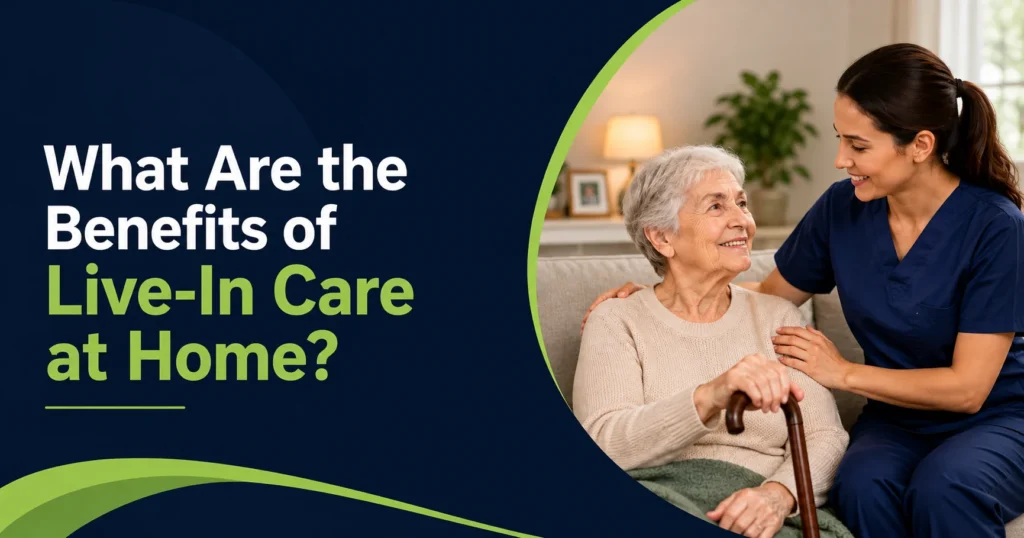
For many families caring for an elderly parent, loved person with a disability or someone who is recovering from illness, is a terribly personal obligation. Families would like the loved ones of their family members to be at peace, secure and independent, but caring for them 24/7 can be a challenge, especially when children, work, and other obligations compete with each other for time.
Live-in care in the home provides a more hospitable alternative. Instead of transferring the loved one to a nursing facility or assisted living facility, a skilled caregiver will provide continuous support within the comfort of the home where the person lives.
In Alliance Home Healthcare Services Live-in care at Alliance Home Healthcare Services is built around the particular needs of the. Our caregivers can help in daily tasks, offer assistance with household chores, provide companionship as well as monitor safety. They also provide supervision during the night in order to help clients maintain the maximum amount of independence they can.
What exactly are the benefits of living-in home care, and what can families do to determine if it’s a good idea?
Let’s discuss the benefits in greater detail.
What Is Live-In Care at Home?
live-in home care is a kind of home-based care in which the caregiver is at the home of the client and offers ongoing support all day and night in accordance with the client’s care plans and requirements.
As opposed to frequent visits to the home Live-in care offers more consistency and is more present. Caregiver can help with:
- Hygiene and personal hygiene
- Assistance with dressing and bathing
- Care for incontinence and toileting
- Transfer and mobility assistance
- Preparation for meals
- Reminders for medication
- Light housekeeping
- Companionship
- Security supervision
- Assistance for household needs
- Overnight supervision
- Transportation and other errands
- Social engagement
The specific services offered depend on the needs of the patient, their treatment plan, and nature of the services provided by the healthcare provider at home.
How Is Live-In Care Different From 24-Hour Care?
The words “live-in” care and 24 hour home care are often used interchangeably, however they may refer to different ways of staffing.
Live-in care is when the caregiver lives at the residence of the client and is assigned breaks for sleeping and personal. 24 hour care can comprise several caregivers working shifts in order to provide 24/7 awake coverage.
Families should inquire from the home care provider how its live-in services and 24/7 availability are structured prior to choosing an arrangement for care.
10 Major Benefits of Live-In Care at Home
Care for a loved one about more than just meeting physical requirements. It’s also about maintaining dignity, comfort, connection and living a life that is enjoyable.
Here are a few of the major benefits of living-in health care in your home.
1. Your Loved One Can Remain in Their Own Home
One of the greatest benefits of home-based care in the form of live-in is the capability to age with ease.
The home is not just four walls. It could be the place the place where children were raised or celebrated birthdays, formed friendships and accumulated generations of memories.
Moving into a nursing home or assisted living community could be a stressful experience for anyone. The option of staying at home allows people to be in the familiar surroundings of rooms as well as belongings, neighbors routines, memories, and routines.
For many older adults, this familiarity can give them more comfort and a feeling of control.
Why Aging in Place Matters
The ability to stay at home helps the individual to maintain their routines like:
- Wake up in their own bedroom
- Food preparation in their personal kitchen
- Time spent in a beloved living space
- Connecting to their community
- Maintaining routine daily activities
- Maintaining relationships with friends and family
Live-in care provides assistance to the person rather than requiring the person to relocate for medical care.
2. Provides Personalized One-on-One Support
Each person has their own unique health needs.
A senior might require assistance in dressing and bathing, and another might require assistance with mobility and meal preparation, reminders for medication, and security supervision.
Live-in care allows for support to be arranged according to the needs of each individual rather than following a general schedule of the facility.
With Alliance Home Healthcare Services, customized home care can include help with daily activities, for example:
- Bathing
- Grooming
- Dressing
- Toileting
- Feeding
- Mobility
- Preparation for meals
- Household chores
- Companionship
This approach is individualized and will allow families to feel more secure that their loved ones’ daily requirements are being met.
3. Offers Greater Safety and Supervision
Security is an important concern for families that care for elderly people or those who have mobility issues.
Confusion, falls, difficulties moving around the house and problems with daily activities are all possible when a person is at home.
Live-in caregiver assistance can ensure a steady presence at home and helps to identify security concerns that arise in the course of everyday life.
Caregivers can assist in:
- The safety of your home is paramount.
- Transfers
- Assistance with walking
- Strategies to prevent fall
- Bathroom safety
- Preparing the meal
- Household organization
- General Safety supervision
A caregiver can also assist families determine when additional medical or professional assistance could be necessary.
4. Helps Seniors Maintain Independence
Not needing help should not indicate that someone will let go of their independence.
In reality, the best support for home care can allow someone to keep doing what they’re able to do in a safe manner.
Instead of taking on every job, a caregiver could offer assistance in a way that encourages the patient to be involved in their daily routines.
This may help to boost the person’s feelings of self-worth and dignity.
Support Without Taking Away Independence
A caregiver could:
- Help someone cook the meal, rather than doing all the food on your own
- Assist with mobility while allowing the individual be able to go at their own speed
- Encourage dressing and assist with dress while promoting independence
- Take someone along on errands or to appointments
- Befriend others while respecting your personal space
The aim is not to take care of all the things for clients. The objective is to give the appropriate level of service.
5. Provides Companionship and Emotional Support
The feeling of loneliness can be a major issue for older people especially when relatives live in remote areas or are juggling a busy schedule.
Live-in care offers regular interactions with a person throughout the day.
A caregiver may talk to the client and play games, or take them out for meals, be with the client during their the activities, or simply present.
Small Moments Can Make a Big Difference
Imagine a senior who used to enjoy cooking breakfast for his family but today, she finds it difficult to cook.
A caregiver can assist in the preparation of breakfast and sit at the table with a conversation and help the client to be engaged in the daily routine.
A simple conversation can turn an unimportant task into an enjoyable element of the day.
Companionship can consist of:
- Conversation
- Meals shared
- Gaming and other hobbies
- Reading
- Walking when it is appropriate
- Social activities
- Family interactions
- Community outings
Home care isn’t just about physical aid, it can assist with a meaningful way of living.
6. Gives Family Caregivers Much-Needed Relief
Family caregivers usually want to handle everything by themselves.
But caring for others can be physically and emotionally draining especially when duties continue every day.
A family member might be in the middle of:
- A full-time job
- Children and household chores
- Personal commitments
- Medical appointments
- Care coordination
- Household chores
- Responsibility for emotional aspects
Live-in care for older family members may provide additional support and ease the burden put on caregivers of the family.
Instead of taking on all the responsibility by themselves, families can employ professional help for daily requirements.
Family Can Focus on Being Family
This is among the biggest advantages of having a professional in home care.
If caregivers provide the right support for their family members, they might have more chances to enjoy moments with their loved ones.
A child can come to visit, but not spend the whole time cleaning the home.
A child can be able to enjoy a conversation without worrying whether or not his mother is in a safe place.
Support for caregivers can strengthen relationships between families beyond the caregiving responsibilities.
7. Supports Consistent Daily Routines
Consistency can be particularly valuable for people who are older and require routines that are predictable.
A live-in caregiver can assist establish regular routines in relation to:
- Meals
- Personal attention
- Activities in the household
- Rest
- Social engagement
- Appointments
- Reminders for medication
- Daily activities
A routine that is familiar makes life easier to manage.
For those who have cognitive impairment, families must consult with healthcare professionals and the home health care provider to determine the best degree of support.
8. Can Help With Household Responsibilities
Home care isn’t restricted to just personal support.
A caregiver could also provide household help according to the specific plan of service.
This may comprise:
- Light housekeeping
- Laundry
- Preparation for meals
- Grocery shopping
- The organization of everyday household items
- Transportation and the errands
- Security supervision
A tidy home will make life simpler and lower the risk of environmental hazards.
9. Supports Recovery and Ongoing Care Needs
A few people require assistance following surgery, hospitalization, illness, or alteration in their functional capacity.
Post-hospital recovery treatment in the home can provide support to help a patient transition back to their regular routine.
Depending on the patient’s needs, homecare may be a complement to the services offered by health professionals by helping with daily tasks, transportation, meal preparation mobility, and other support that is not medical.
If a patient requires skilled medical treatment, families might require skilled nursing and nurse-on-call instead of relying on a non-medical caretaker.
This distinction is crucial since the kind of care provided must be based on the patient’s medical and daily needs.
10. Creates Peace of Mind for Families
One of the biggest benefits of living-in care is the peace of mind.
If a loved one is in a home by themselves, family members might be constantly wondering:
“Did Mom eat today? “
“Is Dad safe getting out of bed? “
“What if something happens during the night? “
“Who will help with daily activities while I’m at work? “
Home care professionals cannot completely remove all risks however having the right caregivers will increase the confidence of families that their loved ones are not in the midst of daily challenges on their own.
Compassionate Care,
Right at Home.
Your loved one's comfort and well-being matter. Our compassionate caregivers provide personalized, dependable home healthcare designed around your family's unique needs.
Who Can Benefit From Live-In Care?
Live-in care could be a good option for people who require a lot of help but want to remain at home.
Candidates for consideration could include:
- Seniors who require assistance in their daily lives
- Adults with disabilities
- People who are experiencing challenges with mobility
- Individuals who require assistance and supervision.
- People who are who are recovering at home
- Need help in personal assistance with personal
- Seniors who shouldn’t be left unattended for prolonged time
- Families who require extra support from caregivers
- People who choose to care for themselves at home over living in a facility
The best care plan must always be according to the individual’s requirements and, if applicable medical advice from health experts.
Live-in Care as compared to. Assisted Living vs. Nursing Home
Families often look at live-in care in homes as well as assisted living or nursing care facilities to determine what kind of assistance is needed.
Live-In Care
Live-in care allows a person to stay in their home and receive ongoing caregiving support.
Ideal best for Individuals who appreciate being at home but require assistance with their daily activities.
Assisted Living
Assisted living offers housing and assistance within a community specifically designed for those who require assistance with their daily activities.
Most suitable best for people who seek a community-based environment but need assistance in daily life.
Nursing Home Care
Nursing homes offer residential assistance for people who require a higher degree of medical or nursing care.
Ideal in the following situations: Individuals whose medical and medical needs cannot be adequately addressed with less intensive arrangements.
The best choice is based on the person’s security, health choices, independence and budget, family circumstances and the needs for care.
How to Choose a Live-In Care Provider
The choice of a home health agency is a crucial decision. Families need to think about more than just asking about cost.
Take a look at these questions:
Is the Agency Properly Qualified?
Find out about the agency’s license requirements, caregiver qualifications, policies and training. Also, inquire about any state-specific requirements.
Does the Care Plan Match Your Loved One’s Needs?
A reliable provider should be aware of the routines of the client preferences, restrictions, and needs for care.
How Does the Agency Handle Caregiver Coverage?
Find out what happens if the primary caregiver is not available due to an illness, vacation, or an unplanned emergency.
Does the Agency Communicate With Families?
Families can be kept updated and engaged in the process of caring for their loved ones.
Can Services Change as Needs Change?
The needs of a person’s caregiver could change in time. Find out if the caregiver is able to modify the care plan as needed.
Why Families Choose Alliance Home Healthcare Services
We at Alliance Home Healthcare Services understand that bringing a caregiver into your home is an important choice.
Our philosophy is based on compassion, respect, respectful, and individualized support that is tailored to the person.
The services we offer for live-in care service comprise:
- 24/7 support for caregivers
- Overnight supervision
- Assistance for individuals
- Companionship
- Assistance for household needs
- Monitoring of safety
We also offer a wide selection of home healthcare services that include personal care, home-based care residential duty, respite care and pediatric home health care.
Our mission is to help individuals get the right support while still remaining in touch with the routines, people, and the environment that are most important to them.
Frequently Asked Questions About Live-In Care at Home
What is the most significant advantage of living-in care?
The most important advantage is that the person is able to receive continuous caregiving while being in the familiar surroundings in their own home. Live-in care also provides help with daily chores such as companionship, household chores as well as safety monitoring.
Does live-in care work well for people who are elderly?
Live-in care may be beneficial for senior citizens who require assistance in everyday activities, but prefer to stay at home. The quality of care offered by live-in is contingent on the personal needs and safety requirements.
What is a live-in caretaker to do?
A live-in caretaker can offer assistance with personal needs as well as assistance with meal preparation, companionship help with household chores mobility support, security supervision, and even overnight assistance as per the client’s needs plan.
Is live-in nursing the same as 24 hour care?
Not necessarily. Live-in care usually requires a caregiver to live at home, with specific sleeping and breaks. 24-hour care could require multiple caregivers working shifts in order to provide uninterrupted coverage. Families should verify the specific staffing plan of the service provider.
Live-in care can help caregivers of the family?
Yes. Professional support for caregivers can lessen the burden on family caregivers, and also provide extra assistance for everyday requirements for care.
Live-in care can help someone remain self-sufficient?
It could. A proper assistance program can enable individuals to continue participating in their daily activities, but also receive assistance for tasks that have become challenging or risky.
Is Live-In Care at Home Right for Your Loved One?
The decision to care for a loved person is not an easy decision. It’s an emotional one.