
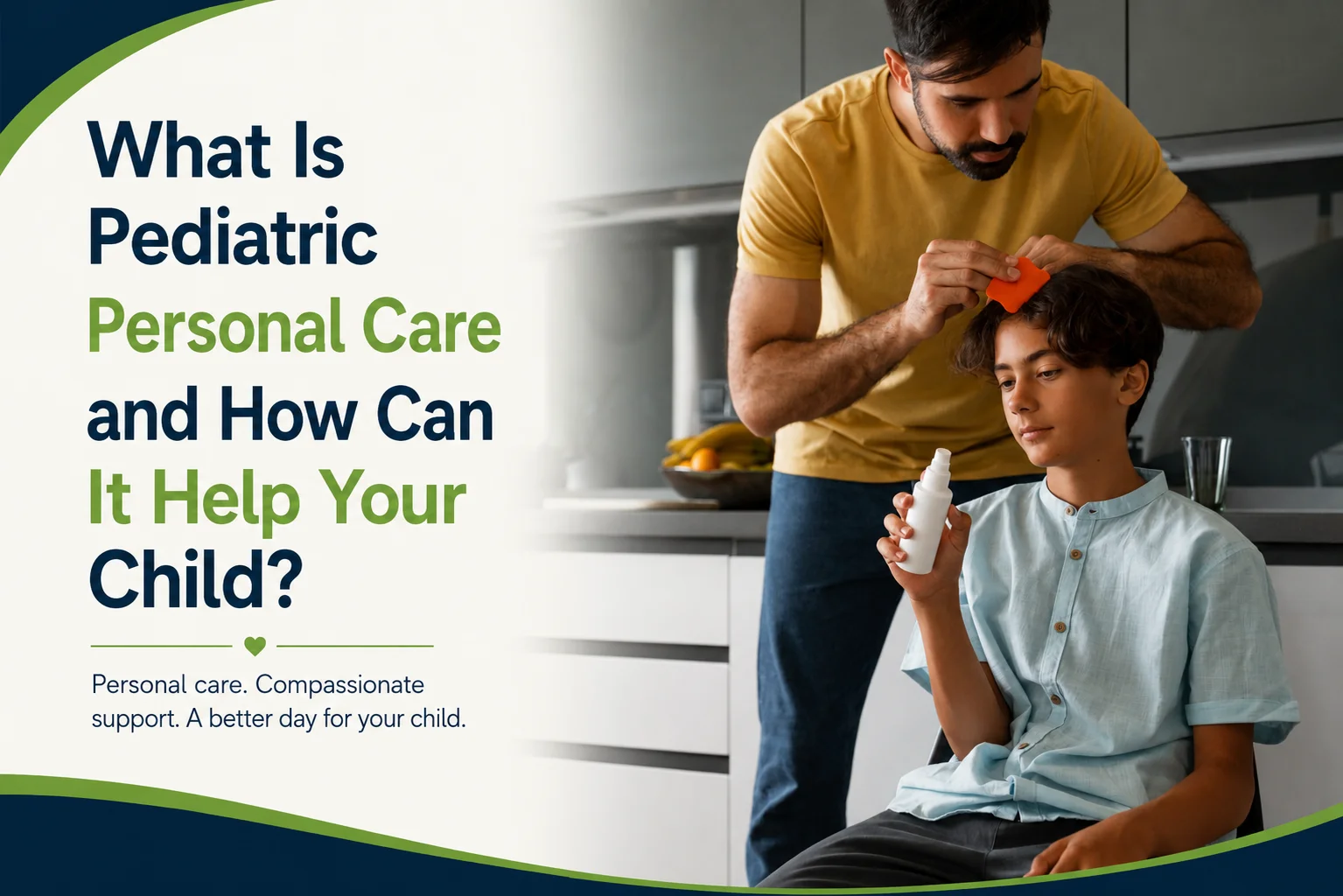
Every parent would like your child to feel secure as well as comfortable, reassured and loved. This is especially true when they require assistance with daily activities. For children who have disabilities that require special care, such as developmental disabilities or chronic ailments or physical limitations, basic daily routines may take more effort and support than the family can provide by themselves.
This is the place where personal care for children will make a huge difference.
Pediatric personal care offers children with a caring, age-appropriate help in daily activities, and allows them to remain within the familiar environment of home. Instead of forcing the child to leave his home to get help, trained caregivers can help with personal hygiene as well as dressing, mobility, feeding, security and other needs of daily life.
Families seeking the best pediatric personal care available at home The goal isn’t just to finish every day tasks. It’s about helping children retain their dignity, comfort in routine, independence and a sense of security as well as provide parents and caregivers with important support.
The team at Alliance Home Healthcare Services the pediatric care we provide is based on the unique needs of each child as well as the family. Our pediatric home health services include personal care for children as well as pediatric skilled nursing private duty nursing for kids as well as support for children with special needs, nutrition assistance, mobility aid, as well as family-based education.
What Is Pediatric Personal Care?
Personal care for children is a non-medical or therapeutic treatment that assists children in every day personal tasks that they could struggle to complete independently.
In contrast to general childcare, children’s personal care is centered on the child’s particular requirements and routines. The care can be offered to children with impairments in their physical or mental development, issues and chronic health issues mobility issues, or any other needs that are unique to the child.
Based on the child’s individual treatment plan, personal care could include help in:
- Personal hygiene and bathing
- Grooming
- Clothing and changing
- Care for incontinence and toileting
- Food and mealtime assistance
- Transfers and mobility
- Security supervision
- Reminders for medication
- Personal routines and daily routines
- Help for children with special needs
Compassionate Pediatric Personal Care—Helping Your Child Thrive Safely at Home.
How Is Pediatric Personal Care Different From Regular Childcare?
A typical day of childcare focuses on supervision, games including meals, transportation and development that is age-appropriate.
Personal care for children The contrary, is created to meet the child’s individual health and needs.
For instance children who have difficulty dressing can receive assistance with dressing. A child who is unable to walk might require assistance in moving safely from bed to in a wheelchair. A different child might require assistance with toileting, eating as well as personal hygiene.
The amount of care provided depends on the child’s requirements and the child’s care plan.
Who Can Benefit From Pediatric Personal Care at Home?
Personal care for children may be beneficial to children who require extra help in daily activities due to developmental, physical or functional difficulties.
Families might want to consider the possibility of pediatric home care for children who suffer from:
- Developmental disabilities
- Physical impairments
- Limitations on mobility
- Chronic health issues
- Special healthcare needs
- Conditions of the brain
- Feeding difficulties
- Personal hygiene problems
- It is difficult to complete daily activities living
- More frequent need for supervision and support
Every child is unique. One child might require only some hours of help every week, whereas a different child might require more regular help.
The best care schedule is based on the child’s specific needs and family situation, the care plan, and policy or requirements for the payer.
What Does a Pediatric Personal Caregiver Do?
A personal caregiver for children can be a vital component of a child’s support system. Their duties are contingent upon the individual needs of the child and the specific services that are authorized for the child.
1. Bathing and Hygiene Assistance
The maintenance of personal hygiene can be difficult for children with physical limitations or special needs.
A caregiver can offer assistance in grooming, bathing, washing and other hygiene practices in order to protect the child’s dignity and privacy.
The aim is to assist the child remain healthy and clean while encouraging active participation when appropriate.
2. Dressing Assistance
Dressing up may seem like an easy task, however children who have limited mobility or coordination problems, or difficulties with development may require additional assistance.
A child’s caregiver can help in choosing clothes as well as putting on clothes changing clothes, and dress-up routines in a safe way.
With time, consistent encouragement will also help children be involved in the activities they are able to manage on their own.
3. Toileting and Incontinence Care
Children may require help with their toileting needs or other incontinence-related issues.
A caregiver can offer personal care while maintaining hygiene, privacy, comfort and respectability.
This kind of assistance will also ease the burden of parents who are otherwise required to take care of every personal routine by themselves.
4. Feeding Assistance
It can be challenging to eat meals when children have trouble eating on their own.
The child’s schedule of care and caregiver’s duties, personal care for children could include help with meals and help when it comes to feeding habits.
For children with more difficult medical needs for feeding, special services like the pediatric skilled nurse or private duty nursing for children could be a good alternative to as an alternative to personal care.
5. Mobility and Transfer Assistance
Children who have physical limitations might require assistance in moving in the house.
Personal care assistance can include assistance in mobility and transfers in accordance with the child’s care plan.
Children can take part more easily in everyday activities, while also reducing unnecessary dangers to their safety.
6. Safety Supervision
Some children require extra supervision because of mobility difficulties or developmental disabilities. other needs that are unique to them.
A caregiver can offer an attentive and supportive service during the daytime routines and assist in maintaining a secure living space at home.
Safety supervision is not a substitute for medical surveillance when the need for skilled nursing arises. It is instead a complement to the overall home care program.
What Are the Benefits of Pediatric Personal Care?
Compassionate Pediatric Care for Happier, Healthier Days at Home.
A Familiar and Comfortable Environment
Children are often more at ease in their home, as it’s familiar. Their favourite toys, rituals, friends and their surroundings are all close at hand.
Being supported at home can enable the child to participate in everyday tasks without causing unnecessary disruption to their regular surroundings.
Support for Daily Independence
Personal care shouldn’t always be about giving up everything to a child.
If they are able, parents can assist children in participating in activities they can do. Children might be taught to assist in putting on a shirt and brush their hair and wash their hands or even participate in routines for mealtimes.
Small achievements can be significant landmarks.
More Support for Parents and Family Caregivers
Being a caregiver for a child who has disabilities can bring joy however, it can be physically and emotionally exhausting.
Parents might have to manage their personal care obligations with household chores, work and appointments, children, and their own demands.
A reliable home-based pediatric medical care can offer additional assistance and allow caregivers of the family to concentrate on other tasks.
Consistent Daily Routines
Children usually enjoy routines that are predictable.
Being able to count on reliable assistance for dressing, bathing, feeding hygiene, bathing as well as other activities that are routinely performed can aid in creating an organized routine.
It can also make the transition more comfortable for children who feel uneasy when their daily routines are altered abruptly.
Personalized Support
There are no two children with exactly the same requirements.
A child might require assistance with bathing and dressing. A different child may require mobility or feeding assistance. A third child could require specific nursing services.
This is the reason that quality home health care for children should be tailored to the individual child’s requirements rather than an all-encompassing method.
A Simple Story: Why Small Moments Matter
Imagine a toddler who needs help to get ready every day.
Prior to receiving help the mornings can be filled with anxiety. Parents are required to assist in bathing and dressing, breakfast, as well as getting their child dressed for school, while making other family members.
The child gets angry. The parent gets exhausted.
With the right personal care for children caregivers can help in the child’s routine for the day.
The caregiver assists the child dress and assists with personal hygiene and helps with other daily tasks. Instead of trying to finish each chore the child might get more chances to be involved.
The difference might appear minor.
However, for families that has a caregiver to help you out can result in a more peaceful morning and a routine that is more predictable and a parent that is able to have a bit more energy for playing parent.
This is among the primary goals of personal care for children: supporting the child while also supporting the family.
Compassionate Care Starts With One Phone Call
Get in touch with Alliance Home Healthcare Services today to schedule your FREE in-home consultation and discover how our experienced caregivers can improve your loved one’s quality of life. If you’re wondering how to choose the right home healthcare provider, our compassionate team is here to answer your questions, explain your care options, and create a personalized care plan that meets your family’s unique needs.

Pediatric Personal Care as compared to. Pediatric Skilled Nursing
It is essential to recognize that the terms “personal care” and “skilled nursing” are not the same thing.
Pediatric Personal Care
Pediatric personal care typically concentrates on aid with daily things that are required for daily living for example:
- Bathing
- Grooming
- Dressing
- Toileting
- Assistance with feeding
- Mobility assistance
- Security supervision
- Personal support of a routine
Pediatric Skilled Nursing
The Pediatric specialized nursing program is designed for children who require nursing level health care services.Expert Pediatric Skilled Nursing Care, Right in the Comfort of Home.
Based of the infant’s health requirements and care plan for authorized the pediatric skilled nursing program could include services like:
- Administration of medication
- Health evaluations
- Medical care that is complex
- Care for feeding tubes
- Tracheostomy treatment
- Ventilator care
- Care coordination
- Education of the family and patient
Certain children might require individual medical attention, skilled nursing or even a mix of both.
A medical expert or care team can assist in determining what type of care is needed.
How Does Pediatric Personal Care Work at Home?
The process usually begins with getting to know the child’s needs and the goals of the family.
Step 1: Understand the Child’s Needs
The team of caregivers considers the child’s routines, skills and challenges, safety issues and any assistance needed.
Step 2: Develop an Appropriate Care Plan
A personal plan is a guideline for the kinds of care required and how the care must fit into the child’s everyday routine.
Step 3: Match Care With the Child’s Routine
The care should be integrated naturally in the daily routine of the child. The aim is to facilitate routine activities, while minimizing disturbance.
Step 4: Communicate With the Family
Communication between family members and caregivers is vital. Parents must be aware of the support that is offered and be able communicate changes or issues.
Step 5: Adjust Support When Needs Change
Children develop and grow. Their capabilities, routines, and needs for care can change with the course of time.
A proper care plan must be reviewed and modified as needed.
How Can Parents Choose the Right Pediatric Home Care Provider?
The choice of a home-care for children provider is a crucial choice.
Parents might be interested in:
Experience With Pediatric Care
Find out if the service company has worked with families and children who have special needs.
Personalized Care
Find a service provider who will take the time to get to know each particular child rather than treating all families in with the same manner.
Qualified Caregivers
Check out caregiver qualifications and training, supervision, and the process of connecting caregivers to families.
Communication
A strong communication system can make home care more pleasant for both children and parents.
Range of Services
Families with needs that change may get help from a company with multiple levels of support at home.
Alliance Home Healthcare Services provides the best home healthcare options for children. These may include personal care for children and pediatric skilled nursing. private duty nursing for kids feeding tube treatment as well as tracheostomy and ventilator treatment, developmental disability assistance and caregiver or family education, based on the child’s needs.
Why Choose Pediatric Personal Care at Home?
In the case of many households, the greatest benefit is quite simple: The care is given at the point where the child is most comfortable, at home.
Instead of making each day’s personal care routine a new task, families can avail reliable assistance that is a part of their daily routines.
The home-based pediatric clinic helps children receive individualized care while also providing parents with additional assistance.
For parents who are looking for medical attention for their children within Fredericksburg, VA, choosing a trusted home healthcare provider can be a vital step towards creating a more secure and more positive routine.
Frequently Asked Questions About Pediatric Personal Care
What exactly is pediatric personal care?
Personal care for children is a supportive help for children who require assistance with daily activities such as grooming, bathing dressing, toileting feeding mobility, security supervision.
What age can children receive personal attention for their children?
The eligibility and age requirements for a child may vary based on the particular program, the payer or authorization and plan of care. Families are advised to discuss their child’s circumstances with an a qualified healthcare or coordination specialist.
Can personal care for children be delivered at the home?
Yes. Personal care for children is typically created to provide assistance within the child’s home and in his familiar environment, subject to relevant care plan and the consent.
Does the pediatric personal care package comprise medical treatment?
The skilled nursing and personal care are two distinct types of care. Healthcare tasks that require the expertise of nurses could require pediatric skilled nursing or private nursing.
Children with special needs receive personalized treatment?
Yes. Children who have physical or developmental disabilities chronic conditions, other needs might require individualized support with everyday activities, if needed.
In how many days of personal care do children require?
The right amount of time will depend on the child’s personal requirements, their care plan authorization, as well as the family’s circumstances. There isn’t one plan that will work for every child.
Can pediatric personal care help parents?
Yes. A good in-home care program can help reduce the amount of personal care the parents need to handle on their own and offer relief for caregivers in the family.