
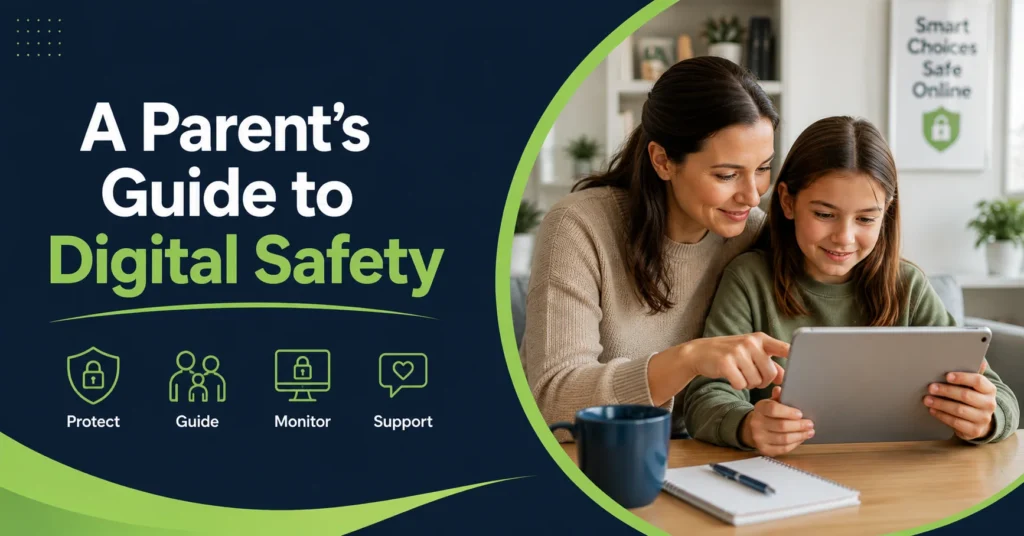
Internet has now become an a vital element of our lives. Teenagers utilize it to complete homework, keep in touch with their peers, acquire new techniques, play games and pursue their interests. While technology can open up a world of possibilities but it also exposes children to risks online that a lot of parents have never faced when they were growing up.
For parents of today Digital safety isn’t just about limiting screen time. It’s about guiding teens to make informed choices, be aware of online risks and develop healthy habits for digital safety that safeguard both their physical and emotional wellbeing.
We at Alliance Home Healthcare Services We believe that caring for teens and children extends beyond medical treatment. Mental health, emotional wellness as well as online safety are equally crucial in helping kids succeed. Families across Fredericksburg, VA are able to trust us to deliver loving and caring pediatric home care, while providing parents with education resources that encourage healthy, safe ways of life.
This comprehensive guide provides everything parents must know about safeguarding teens online while preserving confidence and transparency.
Why Digital Safety Matters More Than Ever
Consider the possibilities of…
15-year-old Emma was just receiving the first phone. As with the majority of parents her mom believed that she did everything right.
She put in parental controls.
She was limited in her screen time.
She also reminded Emma not to speak to strangers on the internet.
Everything was fine until Emma was uncommonly quiet.
She did not laugh anymore.
Her grades slipped.
She didn’t want to go to school.
After weeks of casual conversations, Emma finally admitted she was the victim of cyberbullying anonymously in a chat group.
Her mother felt heartbroken.
It’s not because she was a failure as an adult.
She didn’t know how fast online experiences can affect the mental health of her daughter.
Stories like Emma’s occur all the time.
The digital world is a part of for teenagers today and the emotional repercussions of online interactions could be as significant as those that occur in the real world.
This is the reason The Parents’ Guide for Digital Safety begins with knowing, not fear.
Understanding Today’s Digital World
Teenagers are a lot online for entertainment, education creative, and for social interactions.
The most popular online activities are:
- Social media platforms
- Video streaming
- Online gaming
- Messaging apps
- Portals for school learning
- Video calls
- Creation of content
- Music streaming
- Shopping
- Artificial Intelligence tools
While these devices offer amazing advantages, they also bring problems that require the guidance of parents.
Digital safety is all about teaching responsible use of technology, not completely eliminating it.
Common Online Risks Every Parent Should Know
Knowing what risks are involved can help parents to prepare, rather than panicking.
Cyberbullying
Cyberbullying is the act of repeatedly harassing online by:
- Commentary that is hurtful
- Fake profiles
- Images that are embarrassing
- Rumors
- Group exclusion
- Threatening messages
Contrary to conventional bullying methods, online cyberbullying is able to be a problem for teens everywhere, even in their home.
Signs could include:
- Anxiety
- Depression
- Sudden withdrawal
- Academic performance is poor
- Avoiding devices
- The mood changes
Online Predators
Unfortunately, a few people utilize the internet to manipulate young people.
They are often:
- Play pretend to be teenagers
- Build trust gradually
- Ask personal questions
- Encourage secrecy
- Request private images
- Attempt in-person meetings
Teaching teenagers not to divulge personal information is one of the most important cyber safety lessons.
Online Scams
Teenagers are becoming more targeted by scams that involve:
- False giveaways
- Rewards for gaming
- Scholarships and grants
- Shopping discounts
- Cryptocurrency schemes
- Phishing emails
- Fake influencers
Critical thinking training can to prevent identity theft and financial fraud.
Inappropriate Content
Children may accidentally come across:
- Material that is violent
- Adult-oriented content
- Hate speech
- Misinformation
- Harmful challenges
Parents can help teens make sense of what they see on the internet in a responsible manner.
Warning Signs Your Teen May Be Struggling Online
Parents need to be looking beyond the screen time.
Look out for changes such as:
- More secrecy surrounding devices
- Removing browsing history on a regular basis
- Anxiety following the use of social media
- Sleep disturbances
- Confidence loss
- Beware of family conversations
- Isolation
- Sudden anger
- Grades are falling
- The loss of enthusiasm for activities
These signs don’t always indicate danger but deserve compassionate conversations.
12 Digital Safety Tips Every Parent Should Follow
1. Build Trust Before Setting Rules
Teenagers react better when their parents explain why safety is important to them.
In place of:
“You can’t use this app.”
Try to say:
“I want to help you stay safe while enjoying technology.”
Trust is a way to encourage honesty.
2. Keep Communication Open
Ask questions regularly.
Examples include:
- What apps do you like?
- Who are you talking to on the internet?
- Have you ever encountered something that you were uncomfortable with?
- What are the concerns of your online friends?
These discussions are a common way of discussing online experiences.
3. Learn the Apps They Use
Parents don’t need to be tech experts.
Just knowing the most popular platforms will help you have in having meaningful conversations.
Ask your teenager to demonstrate:
- Apps that you love
- Privacy settings
- Gaming communities
- Social media is a key component of
Learning together builds bonds.
4. Teach Privacy Protection
Remind teens not to share:
- Home address
- School site
- Telephone number
- Passwords
- Financial information
- Daily routines
- Private family details of the family
Even the smallest of details could be used to deceive.
5. Create Strong Password Habits
Teach teenagers to:
- Use long passwords
- Avoid birthdays
- Enable two-factor authentication
- Never ever share passwords
- Update passwords regularly
Security is best when it’s built on basic habits.
6. Set Healthy Screen Time Boundaries
Technology should enhance life, not substitute it.
Encourage:
- Family meals with no phones
- Bedrooms with no devices
- Outdoor activities
- Reading
- Sports
- Creative hobbies
Balance is essential for emotional well-being.
7. Teach Critical Thinking
There is no guarantee that everything on the internet is accurate.
Encourage teenagers to question:
- News sources
- Viral videos
- Influencers’ advise
- Health information
- Opportunities in finance
Media literacy is a crucial life ability.
8. Monitor Without Spying
Teenagers deserve increasing independence.
Instead of carefully examining every message:
- Discuss expectations
- Agree on boundaries
- Make clear the monitoring process
- Respect for privacy is growing
Transparency helps build trust.
9. Encourage Positive Digital Citizenship
Teach teens to:
- Respect others.
- Consider your posting before posting
- Avoid gossip
- Report on bullying
- Encourage others to do the same.
- Respect differences
Everything online is left with an electronic footprint.
10. Prepare for Online Mistakes
Every teenager is prone to making mistakes.
Let them know that they can always reach you with no fear.
First, be calm.
Problem-solve second.
11. Watch for Mental Health Changes
Social media interactions can impact:
- Self-esteem
- Body image
- Confidence
- Anxiety
- Depression
Conversations about mental health are as vital as online security.
12. Be a Positive Role Model
Children watch adults.
Make sure you are practicing healthy tech habits by:
- Put your phone away when you eat
- Eliminating unnecessary scrolling
- Online, be respectful and speak with respect.
- The balance between family and work
Your example will teach more than your guidelines.
Creating a Family Digital Safety Plan
A written family contract helps everyone to be on the same page.
Include guidelines for:
Device Usage
- Screen time for the day
- Doing the homework first
- Charging devices outside bedrooms
Privacy
- Do not share passwords with your friends.
- No posting personal information
- Make sure you ask before downloading any apps
Social Media
- Respect other people
- Avoid negative remarks
- Report suspicious behavior
Emergencies
Teach teens to inform an adult who is trusted immediately if they have:
- Cyberbullying
- Cyber-attacks
- Blackmail
- Grooming
- Explicit messages
The Emotional Side of Digital Safety
Digital security isn’t just about technology.
It’s about emotional strength.
Teenagers must be aware of:
- More valuable than social media likes.
- Their value isn’t determined solely by the opinions of followers.
- They aren’t a reason to be embarrassed.
- They’re never left alone.
Parents who show empathy consistently strengthen their relationships.
How Alliance Home Healthcare Services Supports Families
We at Alliance Home Healthcare Services we understand the importance of raising healthy children. It involves more than just meeting physical health requirements. Healthful communication, emotional well-being and safety on the internet all contribute to children’s overall development.
The Pediatric Home Care Services offer family-centered, compassionate assistance for teenagers and children who suffer from medical issues or developmental disabilities as well as regular healthcare requirements. We collaborate closely with families in Fredericksburg, VA to provide safe, secure family environments that allow children to flourish both offline and online.
Our highly skilled caregivers also instruct families on how to promote emotional wellbeing and encouraging healthy habits, and fostering confidence to help youngsters navigate the digital world in a responsible manner.
No matter if your child requires skilled nursing or private duty nursing or customized home care Our goal is to help every stage of their development with kindness as well as dignity and respect.
Helping Teens Become Responsible Digital Citizens
Instead of putting off technological advances, we can help teach their children to use it efficiently.
Responsible digital citizens:
- Make sure you think about it before posting.
- Secure your personal information.
- Be kind to everyone you meet.
- Recognize online scams.
- Be respectful of your privacy.
- Report behavior that is not appropriate.
- Maintain healthy screen habits.
- Find balance between offline and online.
These behaviors prepare teens to be adults in an increasingly connected world.
Final Thoughts
The process of learning The Parent’s Handbook to Digital Safety is an continuous process that is not just a once-off discussion. Technology is constantly evolving as do the challenges teens face on the internet. Through staying up-to-date while maintaining open communication and establishing trust parents can assist their kids navigate the online globe with confidence as well as with responsibility.
We at Alliance Home Healthcare Services we are convinced that all children should receive compassionate healthcare that promotes physical and emotional health. Families living in Fredericksburg, VA depend upon our home health services as we recognize that raising healthy children requires dealing with every aspect of their lives – including their digital interactions.
Through patience, education and a nurturing family setting, families can allow teenagers to reap the benefits of technology, while also protecting them from its dangers.
Frequently Asked Questions
Why is digital safety so important for teens?
Digital safety safeguards teens from online predators, cyberbullying fraud identity theft, indecent content and mental health problems while promoting responsible use of technology.
What can I do to talk with my child about internet security?
Take a moment to relax and listen without judgement and ask questions that are open to interpretation and put your focus on education, not punishment to foster honest discussions.
How many hours of screen time is considered healthy for teens?
The ideal amount of time to use technology varies according to age and need, however parents need to promote a healthy balance by incorporating physical exercise, family time sleeping, and other hobbies in addition to technology.
Do parents have to supervise their teenager’s phone?
Monitoring is required to be age-appropriate and transparent and based on trust. Communicate expectations and recognize the increasing independence, while putting safety first.
What can Alliance Home Healthcare Services support families with teens?
Alliance Home Healthcare Services provides caring pediatric home healthcare as well as skilled nursing as well as caregiver education and family-focused support that improves children’s emotional, physical, and mental well-being.