
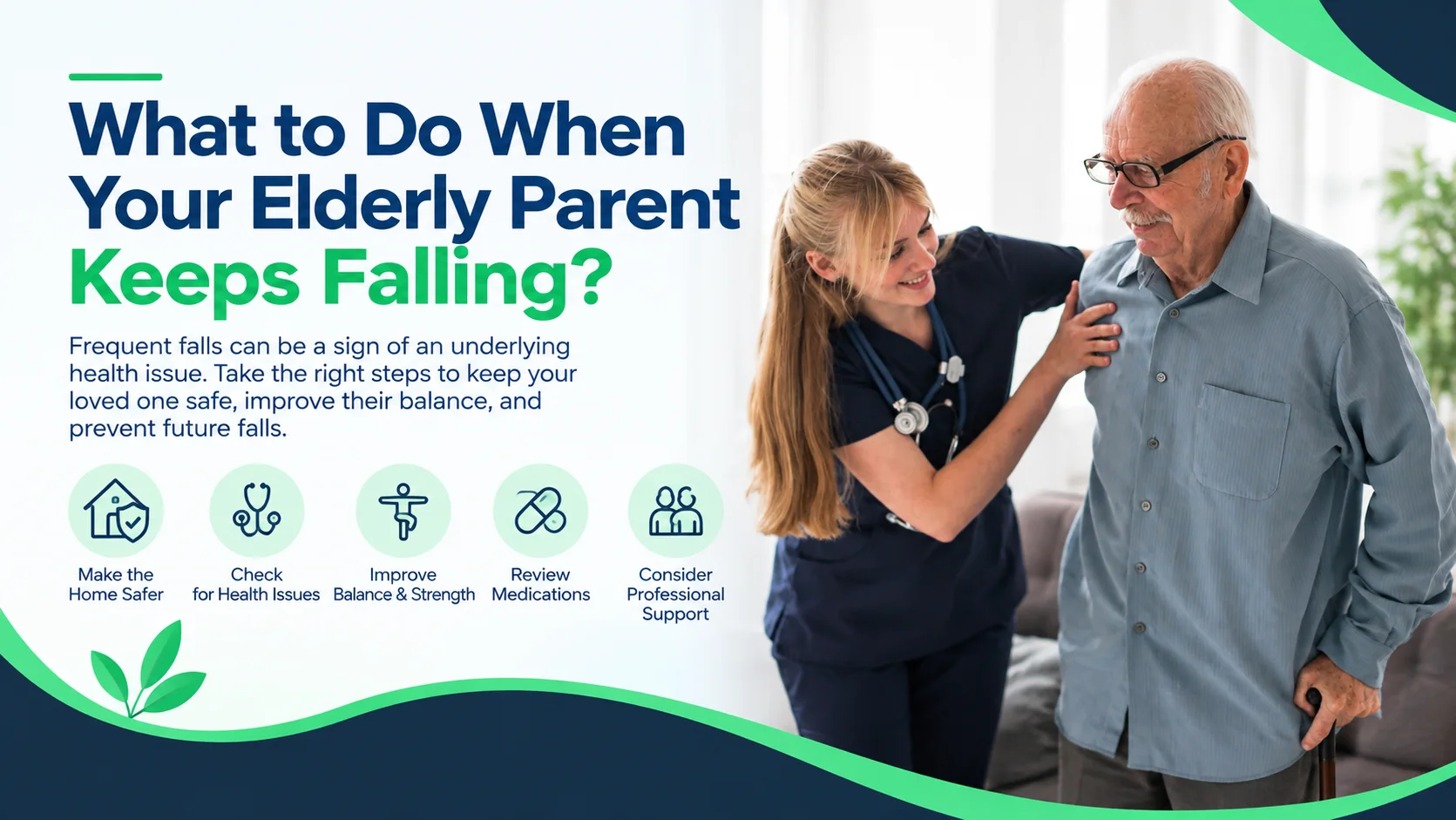
Watching an aging parent stumble and fall in their home can be frightening for any family. The thought of broken bones, trips to the hospital, and the possibility that your loved one can no longer be independent may cause you to feel helpless.
Even if their fall doesn’t create an obvious injury, an older person may feel fearful and reluctant to be independent without assistance
If you’re wondering what to do when your elderly parent keeps falling, knowing that such incidents can have consequences is an essential first step.
Families who want to reduce their loved one’s risk of falls and injuries can benefit from fall prevention and personal care services.
In this guide, you’ll find information on why older people fall, what to do after your parents have fallen, how to make their home environment safer, and the role of professional caregivers.At Alliance Home Healthcare Services, we believe every loved one deserves compassionate care, comfort, and dignity at home. Discover Our Approach to Home Healthcare and learn how we support families with personalized care solutions.
Why Do Older People Fall?
An understanding of why an elderly person falls is an essential first step to making them safer.
Centers for Disease Control and Prevention (CDC) , over 25% of older people fall each year, with a large percentage falling multiple times
There are several possible reasons why an older person’s balance may be compromised and cause them to fall.
1. Changes in Balance and Mobility
As seniors age, many experience reductions in upper body strength, coordination, range of motion, and balance. Your parents may have trouble standing from a seated position, climbing stairs, or walking over an uneven surface.
Problems affecting their nervous system or joints can reduce their agility and stability
A medical professional can help identify if their balance or mobility is being affected and recommend a course of treatment, if necessary.
2. Side Effects From Medications
Prescription and over-the-counter drugs, including vitamins, can contribute to an elderly fall.
Talk with your parent’s doctor or pharmacist about the purpose, side effects, and recommended dosage of all medications they’re taking. Never stop a prescribed drug or change the dosage without first speaking with a healthcare professional.
3. Eye and Hearing Conditions
The ability to see and hear play important roles in an older person’s ability to remain mobile and independent. Difficulty discerning objects or changes in elevation can cause them to trip and fall. Impaired hearing can also increase an elderly fall risk.
Make sure your parents has had their eyesight and hearing tested and that they’re using any recommended glasses or hearing aids.
4. Home Hazards
Many common household objects can contribute to an elder fallWet bathroom floors, throw rugs, clutter, poor lighting, and unsafe staircases are just a few of the potential hazards that seniors may encounter.A walk-through of your parent’s home can help you identify and eliminate many fall risks.
5. Medical Conditions
There are several health issues that can make an older person more likely to experience a fall. In some instances, sudden changes in behavior or mobility may be a sign of a more serious medical issue. If your parent has sudden confusion, weakness, fainting, or displays an uncharacteristic decrease in mobility, seek medical help instead of assuming that these changes are a normal part of aging.
What Should I Do if My Parent Falls?
Being prepared for an emergency can make it easier for you to respond appropriately and keep your parents safe.
Every family has unique care needs, and finding the right support can make a meaningful difference. Explore Our Home Healthcare Services to discover how our personalized care options can help your loved one feel safer and more comfortable at home.
Here are several important steps to take if your parent falls:
1. Assess the Situation
Before attempting to remove your parents from the area or help them stand, ask if they’re experiencing any pain and inspect them for injuries. Only attempt to move your parents if there aren’t any apparent injuries.
Call 911 if your parent has an obvious injury, seems to be in a lot of pain, is losing blood, faints, or displays any unusual behavior following the fall.
Never attempt to move your parents if you suspect that they’ve sustained a head, spinal, or hip injury unless there’s an immediate danger where you are. If your parent takes a blood thinner, contact a medical professional as soon as possible following a head injury.
2. Don't Rush Them to Stand
Even if your parents appear to be okay, rushing them to stand can cause or exacerbate injuries. Keeping them safe and calm while you determine the cause of the fall is more important than attempting to remove them from the area.
If your parents can’t stand, call for professional assistance rather than trying to lift them. Incorrect lifting form can cause you or your parents to suffer an injury.
3. Discuss the Fall With a Medical Professional
Frequent falls should be discussed with a medical professional, even if there aren’t any apparent injuries. The doctor or nurse can review prescribed drugs, assess your parent’s ability to walk, and perform a vision test. They may also check for causes of dizziness or weakness and recommend that your parents see other specialists, if necessary.
4. Document the Fall
Following the fall, you and your parents should write down what happened. The more information you can provide to a medical professional, the easier it will be for them to identify patterns or causes.
How Can I Help Prevent My Elderly Parent From Falling?
Preventing an accident in the home requires more than asking your parents to be careful. Families can make the home environment safer and help reduce fall risks in other ways.
Compassionate Care Starts With One Phone Call
Get in touch with Alliance Home Healthcare Services today to schedule your FREE in-home consultation and discover how our experienced caregivers can improve your loved one’s quality of life. If you’re wondering how to choose the right home healthcare provider, our compassionate team is here to answer your questions, explain your care options, and create a personalized care plan that meets your family’s unique needs. Concerned about your loved one’s safety, mobility, or changing care needs? You don’t have to navigate these challenges alone. Book an Appointment With Our Team to discuss your family’s needs and explore personalized home healthcare options.

1. Ensure That There's Enough Lighting
Lights help older people identify objects and changes in elevation.
Install nightlights for use in the bathroom and make sure switches are easy to reach so that your parents can see clearly when they get up or move around the home. Reduce glare and shadows by using lamps or installing motion-activated or brighter overhead lighting.
2. Reduce Fall Hazards in the Home
Take a walk through the house with your parents and look for objects that they may stumble over or that could make them trip.
Here are several ways to make your home a safer place:
Secure or remove throw rugs and cords that could cause your parents to trip.
Remove clutter, including newspapers, shoes, and other objects, from walkways.
Fix damaged or uneven floorboards or carpet.
Keep items that your parents use within their easy reach.
3. Make Your Bathroom Safer
Many falls occur in the bathroom due to the number of hazards that it contains.
A professional installation of grab bars, nonslip surfaces, and a shower seat can help your parents stand and move around more safely. A raised toilet seat may also be necessary if your parent has trouble sitting or standing. Encourage them to ask for assistance with toileting if balance and standing have become too difficult.
4. Encourage Your Parent to Wear Safe Footwear
Appropriate footwear can reduce the possibility that your parents will slip or fall. Avoid slippers with loose straps or shoes with slippery soles that can cause them to slide.
If their doctor has recommended a cane or mobility device, make sure that they’re using the recommended equipment and that it’s in good working condition. A physical therapist can help your parents determine their mobility needs and recommend the appropriate balance exercises and devices.
5. Encourage Exercise
Exercise can help strengthen your parent’s muscles and improve their balance and coordination. Ask a medical professional or physical therapist to recommend a suitable activity or exercise program. Avoid exercising or recommending activities that your parents can’t do safely if they’ve had an injury or are experiencing difficulties with their balance.
How Can Families Help an Older Person Who Is Afraid of Falling?
The physical ramifications of an elderly fall are only part of the problem. Many seniors become fearful and hesitant to be independent and mobile following an incident. Imagine that you’re a daughter whose elderly parent has grown fearful of walking following a fall near the hallway in their home.
Your father has always taken pride in preparing his morning meal and eating at the table. Following the fall, he begins sitting for long periods since he’s afraid that the next incident will send him to the hospital.
Your parents don’t want to be placed in a nursing home, but your family is constantly reminding him and nagging him about the potential dangers. This parent now feels trapped and helpless rather than reassured and cared for.
Many parents experience a similar situation when their elderly parent begins fearing that any movement will cause a fall. The best way to respond is to listen to their concerns and encourage them to participate in the activities that they love as safely as possible.
When making changes to the home or their routine, don’t eliminate activities that they enjoy without first discussing it with them. Ask a medical professional to help set realistic expectations and goals.
Everyday activities can become challenging when an older adult experiences mobility difficulties or an increased risk of falling. Learn About Our Personal Care Services to discover support with bathing, dressing, mobility, and other daily activities.
The goal isn’t to stop your parents from doing everything that they did before the fall, but rather to help them enjoy their daily life with as much independence and safety as possible.
When Should I Consider In-Home Care for My Elderly Parents?
If your parents continue to fall despite your attempts to make the home environment safer, in-home care can help your family manage daily tasks while allowing your parents to remain in the comfort of their own home.
Fall, Prevention, and Supervision
Alliance Home Healthcare Services offers fall prevention as part of our personal care services. A caregiver can help observe and reduce fall risks, clear walking paths, and encourage safe daily routines as directed by their care plan. They can’t replace a medical professional, and fall prevention services don’t guarantee that an elder fall won’t happen
Mobility and Transfer Assistance
A senior who needs help standing or walking may be at greater risk of falling without a caregiver’s assistance. A medical professional can recommend the type of mobility assistance, if any, that your parents need to help them stand, walk, and transfer from one piece of furniture to another. The recommended assistance should match your parent’s physical capabilities and are often recommended by a physical therapist to reduce fall risks. Some mobility equipment requires training or experience, so make sure that your parents follow their doctor’s recommendations when using such devices.
Family Education and Communication
Families who want to keep their parents safe must first learn how to make their home environment a safer place. Communication with your parents and caregivers, if you have one, is essential in establishing care routines that follow your parent’s wishes. Ask a medical professional to help you set realistic expectations and goals. Discuss their recommendations and concerns with your parents to determine what’s important to them.
Fall Prevention in Fredericksburg VA: How Alliance Home Healthcare Services Can Help
Families who need assistance with fall prevention in Fredericksburg, VA, want to know how they can help their parents avoid accidents without limiting their independence.
At Alliance Home Healthcare Services, we understand that every family has unique concerns. While an elder may only need occasional assistance with certain tasks, another may require more comprehensive support to help them be as independent as possible.
Our services include personal care, mobility and transfer assistance, and fall prevention for seniors. Discuss your concerns with a member of our team to learn more about how we can help your parent.
Whether you’re worried about falls in the bathtub or believe that your parents no longer have the confidence or ability to walk around the home safely, talking to a professional about your fall prevention concerns is a good first step.
Children with special healthcare needs deserve compassionate, personalized support in the comfort of home. Explore Our Pediatric Home Care Services to learn how we help children and families with their daily care needs.
Frequently Asked Questions About Elderly Falls
Have questions about home healthcare, personal care, or fall prevention? We’re here to help! Visit Our Frequently Asked Questions to find helpful answers and learn more about our care services.
What should I do if my elderly parents keep falling?
Arrange for a medical evaluation to determine the cause of the falls and talk to a medical professional about balance and mobility assessments. Review fall prevention and home safety with a healthcare professional, and discuss the appropriate level of supervision and mobility assistance.
Are repeated falls a normal part of aging?
No. While there are activities that older people can do to reduce their risks, frequent falls aren’t an inevitable part of aging.
Can home healthcare help prevent falls in older adults and seniors?
Home healthcare may help reduce fall risk by providing appropriate supervision, mobility assistance, and personal care, if needed. The services provided depend on an individual’s needs and care plan, and it doesn’t replace a medical evaluation or guarantee that an elderly fall won’t happen.