
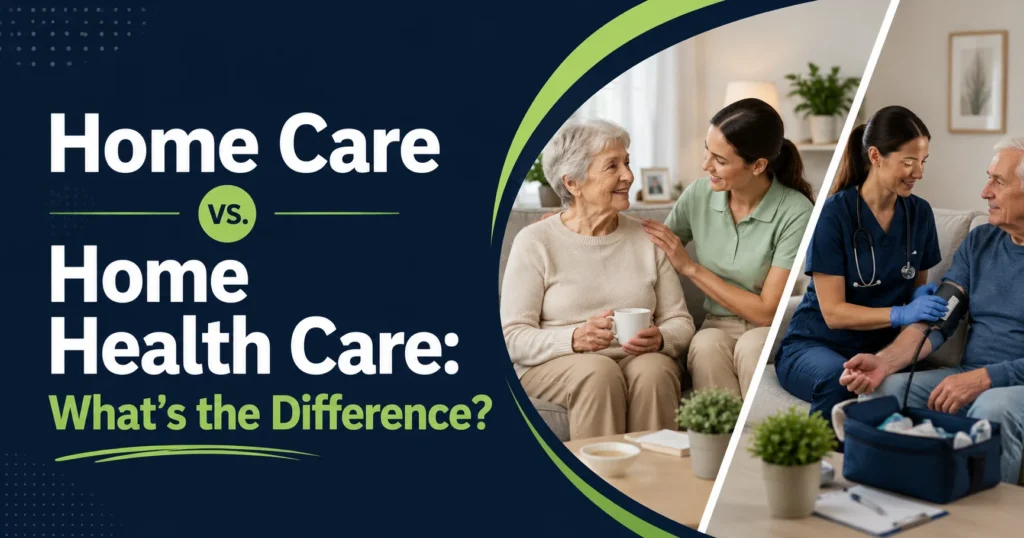
By Alliance Home Healthcare Services
When a loved one is beginning to require assistance because due to illness, age or disability, or following surgery, families frequently are searching for options in care. Two terms are frequently used: Home Care and Home Health Care. While they may sound like they’re similar, they’re different. Understanding the distinction is crucial in making the right choice for the person you love.
Imagine a grandmother of 82 years known as Margaret. After a successful hip replacement her return home determined to get back to the same place she’s lived for more than 40 years. She is still able to cook easy meals and loves reading in her favourite chair however she requires treatment for her wounds, medication management and help walking with confidence. In the meantime her neighbor, Robert is generally healthy however, he has difficulty cooking cleaning, housekeeping and grocery shopping due to the effects of arthritis.
Although both people require help in their homes, the level of assistance they need is different.
Margaret gets the health services offered at home in which licensed nurses provide medical treatments and oversee her recuperation. Robert enjoys the home health care which includes caring caregivers who help with daily activities and provide companionship.
Knowing this distinction can help families pick the appropriate options, reduce unnecessary costs and ensure that their loved ones receive best treatment. In this guide, we’ll cover everything you should be aware of home Care as opposed to. Home Health Care that includes benefits, services cost and eligibility. We’ll also explain what kind of provider is best suited to help your family meet its specific requirements.
Why Understanding the Difference Matters
Selecting the wrong kind of care could cause delays in the healing process, cause unnecessary anxiety, and leave crucial requirements unsatisfied. A lot of people believe that all caregivers offer medical services, while some think that only hospitals can provide skilled nursing care.
In actual fact, home care and health care at home collaborate to help people in various ways.
Understanding the difference enables families to:
- Choose the appropriate level of support
- Enhance recovery outcomes
- Promote independence
- Reduce hospital readmissions
- Enhance the quality of life
- Reduce healthcare costs more effectively
- A plan for long-term care.
What Is Home Care?
Home care is non-medical support that assists people to safely maintain their daily lives while staying in the comforts of their home.
The objective of home health care is to encourage the independence, comfort and well-being, not to offer medical care.
Professional caregivers help clients with everyday activities that can be difficult due to age disabilities, injuries, or chronic ailments.
Common Home Care Services
at Alliance Home Healthcare Services Home care services at Alliance Home Healthcare Services could include:
Personal Care Services
- Bathing Assistance
- Grooming & Hygiene
- Dressing Assistance
- Toileting & Incontinence Care
- Mobility & Transfer Assistance
- Feeding Assistance
- Medication Reminders
- Fall Prevention
Home Care Services
- Companion Care
- Meal Preparation
- Grocery Shopping
- Light Housekeeping
- Laundry
- Transportation & Errands
- Safety Supervision
- Social Engagement
The focus of these services is to help people remain at ease, self-sufficient and involved in everyday life.
Who Benefits from Home Care?
Home care is perfect for those who
- Do you require assistance with your daily activities
- Live in solitude
- Limited mobility
- Are you looking to get older
- You need a partner
- Need assistance with transportation
- You may require temporary assistance following an illness
- Are family caregivers of the household in need of help
Many elderly people receive home care for many years, and continue to reside at home.
What Is Home Health Care?
As opposed to home health healthcare, home health care requires medical services offered by certified health professionals under the direction of a physician or as per an individualized treatment plan.
These services assist patients in recovering from surgery, illness or injury, as well as take care of chronic medical issues without the need to remain in a nursing or hospital facility.
Health care at home combines the latest medical expertise and personalized treatment.
Common Home Health Care Services
The most common professional home health services comprise:
Skilled Nursing Services
- Skilled Nursing Visits
- Medication Administration
- Medication Management
- Wound Care
- Post-Surgical Care
- Chronic Disease Management
- Health Assessments
- Patient & Family Education
- Physician Coordination
Private Duty Nursing
- One-on-One Nursing Care
- Long-Term Medical Care
- Complex Medical Care
- Tracheostomy Care
- Feeding Tube Care
- Catheter Care
- IV Therapy
- Ventilator Support
Pediatric Home Health Care
- Pediatric Skilled Nursing
- Pediatric Private Duty Nursing
- Medication Administration
- Feeding Tube Care
- Ventilator Care
- Tracheostomy Care
- Developmental Disability Support
- Family Education
These services are offered by licensed professionals who have received specialized in-depth education.
Home Care vs. Home Health Care: The Key Differences
While both of these services allow individuals to stay at home in a safe manner Their purpose, the providers and the scope of care differ.
1. Purpose of Care
Home Care
The main objective is to assist with daily living and to keep the individuality.
Examples include:
- Personal hygiene
- Housekeeping
- Preparing the meal
- Transportation
- Companionship
Home Health Care
The main goal is to treat medical conditions, recover as well as rehabilitation and management of disease.
Examples include:
- Wound treatment
- Administration of medication
- Nursing professionals with expertise
- IV therapy
- Monitoring chronic disease
2. Who Provides the Care?
Home Care
Services are offered through:
- Professional caregivers
- Home care aides
- Personal care assistants
- Caregivers who accompany them
Home Health Care
The medical services are offered through:
- Registered Nurses (RNs)
- Licensed Practical Nurses (LPNs)
- Highly skilled nursing professionals
- Specialized clinicians
The degree of training differs substantially from one to the other.
3. Type of Services Provided
Home Care Focuses On
- Daily live aid
- Personal attention
- Support for the household
- The emotional bond of friendship
- Social engagement
Home Health Care Focuses On
- Medical treatment
- Recovery
- Management of medication
- Monitoring of diseases
- Clinical evaluations
4. Duration of Services
Home care may last for a number of months, or even years based on the person’s requirements for support and lifestyle.
Health care at home is usually offered for a particular medical reason, for example:
- Recovery from surgery
- Hospital discharge
- Wound healing
- Management of chronic illness
- Rehabilitation assistance
Certain people receive both services at the same time.
5. Physician Involvement
The majority of home health care involves collaboration with doctors and other health experts to track the progress of treatment and make adjustments to treatment plans.
Home care generally doesn’t require continuous medical supervision. However, caregivers are often in contact with relatives and health professionals whenever concerns arise.
Can Someone Receive Both Home Care and Home Health Care?
Absolutely.
In reality, many families can benefit from the combination of both of these services.
Take a look at a senior who is recovering from stroke:
A nurse with experience may visit the hospital several times per week to observe blood pressure, offer wound care and management medication.
A home caretaker assists in:
- Bathing
- Dressing
- Preparation for meals
- Laundry
- Transportation
- Companionship
This combo provides total assistance while allowing the person to stay at home in a comfortable manner.
Benefits of Home Care
Home care can provide a variety of benefits both physical and psychological.
Greater Independence
People can control their lives and receive the help they require.
Emotional Comfort
Being at home and surrounded by family, pets and other familiar items reduces anxiety and stress.
Personalized Assistance
Care plans are designed to meet the specific preferences and lifestyle.
Reduced Caregiver Stress
Family caregivers are provided with valuable support and much-needed breaks via respite services.
Improved Quality of Life
Interaction with friends, socialization, as well as assistance with everyday chores promote happiness and well-being.
Benefits of Home Health Care
Medical home health care has many benefits that are equally important.
Faster Recovery
Patients usually heal more comfortably in familiar environments.
Reduced Hospital Readmissions
Monitoring by professionals can help identify problems early.
Skilled Medical Support
Nurses licensed to practice provide high-quality healthcare without needing lengthy hospitalization.
Better Medication Management
Correct medication administration can reduce errors and improves outcomes for patients.
Chronic Disease Monitoring
People suffering from heart disease, diabetes, COPD, Parkinson’s disease and many other chronic illnesses receive regular professional care.
When Should Families Choose Home Care?
Home care could be the best choice for those who requires assistance with daily tasks, but doesn’t require continuous medical care.
Signs are:
- The difficulty of cooking meals
- Problems getting clean and safe bathing
- The medication that you forgot to take
- Social isolation
- Transportation challenges
- Household chores become overwhelming
When Should Families Choose Home Health Care?
Home health care is beneficial if a person:
- Recently, I left the hospital
- You require wound care
- Treatment with IV is required.
- Complex medical requirements
- It is necessary to administer medication
- Is recovering after surgery
- Are there doctor-directed treatment plans
Specialized Care Available at Alliance Home Healthcare Services
We at Alliance Home Healthcare Services we understand that each family has its own requirements. This is why we offer a wide range of skilled and non-medical services to assist individuals throughout their lives.
Personal Care Services
Our caring caregivers help with:
- Bathing Assistance
- Grooming & Hygiene
- Dressing Assistance
- Toileting & Incontinence Care
- Mobility & Transfer Assistance
- Medication Reminders
- Feeding Assistance
- Fall Prevention
Home Care Services
We aid clients to maintain their independence by:
- Companion Care
- Meal Preparation
- Grocery Shopping
- Laundry
- Light Housekeeping
- Transportation & Errands
- Safety Supervision
- Social Engagement
Skilled Nursing Services
Our licensed nurses provide:
- Skilled Nursing Visits
- Medication Administration
- Medication Management
- Wound Care
- Post-Surgical Care
- Health Assessments
- Physician Coordination
- Chronic Disease Management
Additional Specialized Services
Alliance Home Healthcare Services also provides:
- Private Duty Nursing
- Live-In Care
- Respite Care
- Pediatric Home Care Services
- Dementia Care
- Alzheimer’s Care
- Parkinson’s Care
- Stroke Recovery Care
- Hospice Support
- Palliative Care Support
- Veteran Home Care
- Post-Hospital Recovery Care
- Home Safety Assessments
Our mission is to provide customized care that helps our clients remain healthy, safe and independent within the comfort of their homes.
How to Decide Which Type of Care Is Right for Your Loved One
Consider these questions:
Does my loved one require medical attention?
If so, healthcare at home might be the best option.
Does my loved one require help with everyday routines?
Homecare could be the best option.
Are both medical and everyday life needs met?
Many families can benefit by combining both services to provide full assistance.
Consultation with healthcare professionals and an experienced home health agency will allow you to identify the best treatment plan.
Frequently Asked Questions
Are home health care and home visits the same as health care at home?
No. Home health care is primarily non-medical support for daily living activities, whereas home health care is medical services provided by certified health experts.
Does home care aid seniors to remain independently?
Yes. Home care can help seniors age in the same place by providing personal care and meal preparation, as well as transport, companionship, housekeeping as well as other routine tasks.
Who can provide healthcare at home?
Healthcare at home is offered by licensed professionals, such as registered Nurses (RNs) and licensed Practical Nurses (LPNs) as well as other qualified healthcare providers.
Can one receive both home health medical and home?
Absolutely. A lot of people gain by combining skilled nursing along with personal assistance and companion services to create an overall plan of care.
Why should you pick Alliance Home Healthcare Services?
Alliance Home Healthcare Services provides personal, caring home care as well as skilled health services that are that is tailored to the specific needs of each client. requirements. Our highly skilled nurses and caregivers are dedicated to helping people to live comfortably, safely and at their own pace in their homes.