When an elderly parent, a friend or relative with disabilities, or a family member with complicated medical issues requires continuous support and care, deciding on the best kind of care can be overwhelming. Families usually require care that is secure and individualized, as well as compassionate and a comfortable experience without requiring their loved ones to move out of the home.
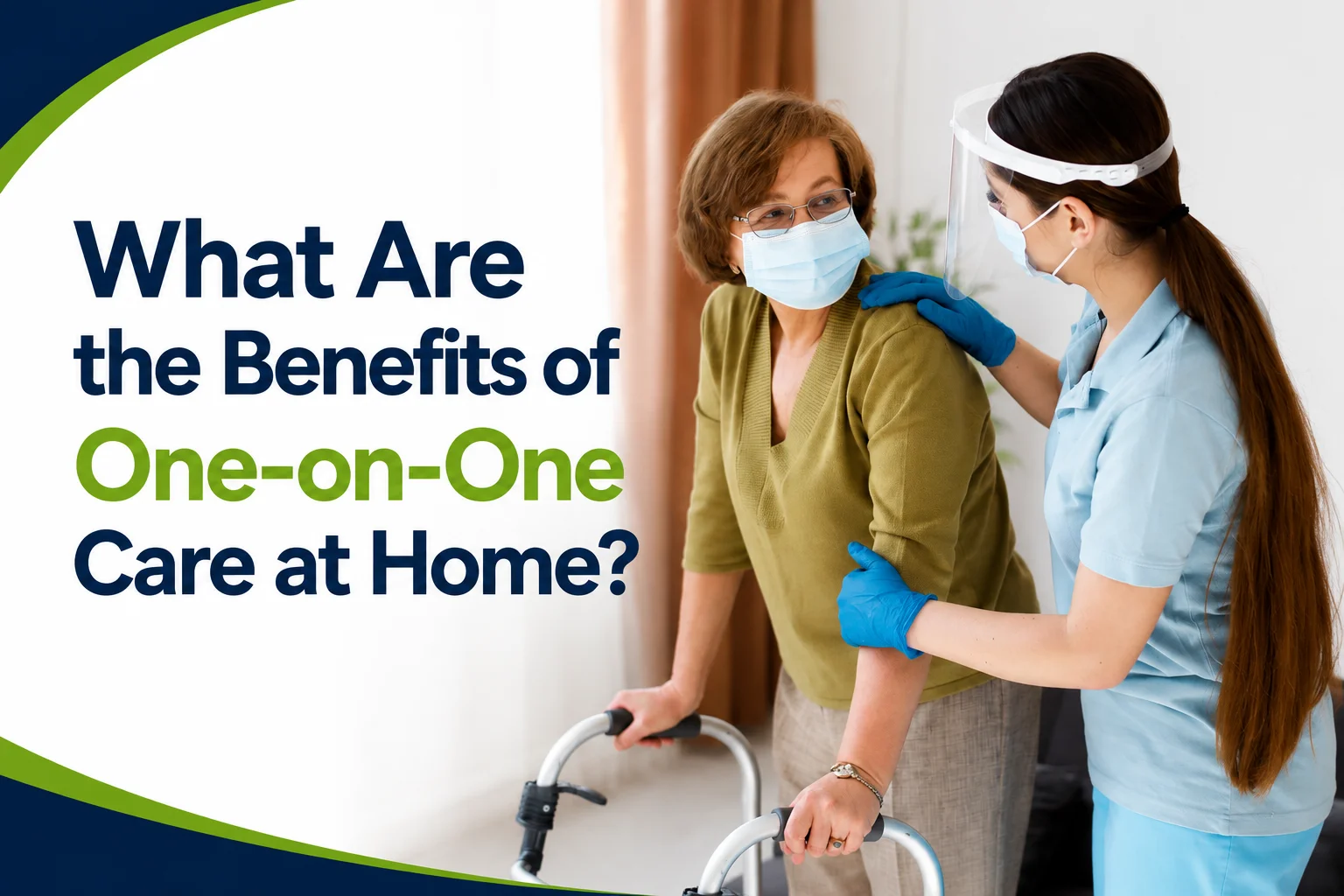
One-on one care at home offers individualized care by a devoted caretaker or nurse, depending on the individual’s particular requirements routines, preferences, and medical needs. Contrary to care that is based on group, one-on-one home care permits the professional to concentrate on only one person at a time.
We at Alliance Home Healthcare Services we recognize that everyone has their own health needs. Our services for home healthcare are designed to ensure that individuals get the best care while remaining in the familiar environment of their home.
From companionship and personal care up to nursing care for skilled and personal duty one-on-one assistance can provide families with more confidence along with their families more security and comfort.
What Is One-on-One Care at Home?
One-on-one home care is a customized treatment method for healthcare that requires the caregiver or a qualified nurse offers devoted attention to an patient in their own home.
Based on the individual’s needs One-on-one home care could include help in:
- Personal hygiene and bathing
- Grooming and dressing
- Care for incontinence and toileting
- Transfers and mobility
- Reminders to take medication
- Preparation of meals and eating
- Social engagement and companionship
- Security supervision
- Management of medication
- Wound treatment
- Post-surgical treatment
- Management of chronic diseases
- Tracheostomy treatment
- Care for feeding tubes
- Catheter care
- IV therapy
- Support for ventilators
The degree of care may be anything from personal help for non-medical purposes to skilled nursing as well as personal duty nurse in the home.
Why Is One-on-One Home Care Important?
Think of an elderly family member who was able to do everything on her own, but needs assistance getting up from bed taking medications, preparing meals, and moving through the home.
A family member might want to take care of all the needs for themselves, however, working, children, distance and other obligations can make it difficult to provide full-time caregiving.
This is where individualized home care can make a significant impact.
Instead of being given general focus in an ad hoc an individual receives attention that is geared towards their specific requirements. The caregiver is able to understand their routine, recognize their preferences, spot any changes in their health, and offer support in a comfortable setting.
In the case of many families, this mix of personal care, security as well as independence and emotional care is among the most significant benefits of having help at home.
Ready to Get the Care You Deserve?
Take the first step toward compassionate, dependable care at home. Our caring team is here to help you find the right support for yourself or your loved one.
Care That Feels Like Home
Quality home healthcare with compassion, dignity, and personalized attention.
Alliance Home Health Care Services7 Major Benefits of One-on-One Care at Home
1. Personalized Care Based on Individual Needs
One of the greatest advantages of one-on-one treatment is the personalization.
Each person is unique in their capabilities routines, medical conditions preferences, and levels. A customized care plan could be designed around the individual’s requirements instead of using a generic method.
For instance, a senior might require assistance in bathing and mobility while another could require treatment for wounds, medication management as well as feeding assistance. complicated medical assistance.
In one-on-one-care caregivers are able to focus on specific areas where help is needed.
This individualized approach could assist in:
- Comfort
- Dignity
- Safety
- Independence
- Consistency
- Better support on a daily basis
2. Greater Safety and Supervision at Home
Security becomes more important for those who have problems with mobility or memory issues, such as weakness or a higher chance of falling.
One-on-1 caregivers can offer security supervision and mobility assistance throughout the day.
Support can comprise:
- Assistance with transfers
- Assisting in walking
- Reduced risk of falling
- Providing bathroom assistance
- Monitoring during daily activities
- Ensuring safe movement throughout the home
- Assisting in the correct usage of mobility equipment
The availability of a qualified professional will also help family members have more security.
3. Help Seniors Maintain Independence
The need for care doesn’t suggest that someone should sacrifice their independence.
Many older adults want to stay at home in their own house and sleep in their private room, cook their own meals and follow their routines.
One-on-one care at home can help maintain autonomy by assisting with activities that are difficult to perform while allowing the patient to do what they are able to safely do independently.
For instance, a caregiver may assist in the preparation of meals but let the senior decide what they would like to take for dinner. They might also offer assistance with mobility as well as encourage the senior to take part in as many activities as they can.
This method helps the process of aging and preserves dignity.
4. Companionship and Emotional Support
Healthcare isn’t just about physical requirements. Well-being of the mind is equally important.
People who are older and those who have disabilities may experience lonely or isolation from others, particularly when family members aren’t able to visit daily.
A steady caregiver can offer significant companionship via:
- Conversation
- Reading
- Games and activities
- Social engagement
- Meals shared
- Walking when it is appropriate
- Assistance with hobbies
- A friendly daily exchange
The most important part of care is listening to someone else.
A trusted caregiver can turn into an unreliable friend who provides warmth and companionship into the daily life of the individual.
5. Consistent Care and Familiar Routines
Consistency is particularly important to those who require constant support.
If caregivers are aware of the person’s routine, preferences, communication style and their needs for care, daily interactions become more relaxed.
A caregiver, for instance, might be taught:
- What is the preferred morning routine
- What food items do they like?
- How do they like their space arrangement
- If they would rather rest,
- How do they convey their discomfort?
- What are their favorite activities?
This familiarity makes the process of receiving treatment feel as natural, and also less stressful.
For those who require permanent care at home Consistency can make families feel more at ease that their loved ones’ daily requirements are being met.
6. Support for Complex Medical Needs
The majority of people who receive home care requires medical nursing services. Certain individuals, however, require greater care and assistance.
Nursing care for private duty can offer one-onone nursing treatment for those with long-term or complex medical requirements.
Based on the patient’s treatment plan and requirements for clinical care the private duty nursing program could consist of:
- Tracheostomy treatment
- Care for feeding tubes
- Catheter care
- IV therapy
- Support for the ventilator
- Administration of medication
- Medical care that is complex
- Long-term medical treatment
Nursing professionals with experience can also assist in healing after surgery, wound care and chronic disease management, medical assessments, medications management, as well as education of the family and patient.
For families who care for someone who has a medical condition that is significant, the presence of a qualified nurse at home can be a valuable source of security.
7. Peace of Mind for Family Caregivers
Family caregivers typically have an enormous physical and emotional obligation.
A girl may be managing her job while taking care of an elderly parent. The spouse could be juggling household duties while caring for an individual who suffers from a chronic illness. Parents of children who have disabilities may require professional help to handle the complex needs of their children.
One-on-one care at home can help alleviate some of the stress.
Professional nurses and caregivers are able to assist with the appropriate routine and healthcare-related duties which allows family members to be more relaxed and enjoy being family instead of feeling like they have to handle everything on their own.
Who Can Benefit From One-on-One Care at Home?
One-on-one home healthcare can be beneficial to numerous people, based on their individual care and medical requirements.
Seniors Aging at Home
Seniors may need aid with toileting, bathing, dressing mobility, eating medications reminders, assistance with safety, and companionship.
Individuals With Disabilities
Individuals with developmental or physical disabilities might benefit from customized help with everyday activities mobility, personal care and household routines.
People Recovering After Surgery or Hospitalization
Following a hospitalization, patients may require assistance in mobility, personal care and medication regimens as well as wound care and rehabilitation activities.
Individuals With Chronic Conditions
Patients with chronic illness may require constant surveillance, medication management and skilled nursing assistance with daily activities.
People With Complex Medical Needs
Patients who require tracheostomy assistance as well as feeding tube or IV therapy, catheter care or ventilator assistance may require specialized care provided by private duty nurses.
Children With Special Healthcare Needs
Pediatric home care may provide specific assistance in the case of children who need skilled care, special duty nurse, individual attention and feeding tube treatment as well as tracheostomy and ventilator care or developmental disability assistance.
One-on-One Care is different from. group care: what’s the difference?
The main difference is in the amount of personal focus.
In a care facility that is a group, staff could be responsible for multiple patients or residents simultaneously. Home, one-onone care permits the staff member to concentrate on the needs of each patient and their routine.
One-on-One Care at Home | Group-Based Care |
Individualized focus | Staff attention is shared |
Home care is provided | Health care services are provided in a setting or in a group setting |
A custom routine for your day | More routineized routine |
Familiar surroundings | New living space |
A customized friendship | Social interaction and interaction with many residents |
Family involvement in the home | Family visits usually follow the routines of the facility |
The best choice is based on a person’s needs for health as well as safety and preferences, financial situation and family circumstances.
How Alliance Home Healthcare Services Provides Personalized Care
Here at Alliance Home Healthcare Services we believe that high-quality home health care begins by understanding the person.
Our services are able to assist people with varying needs, from every day personal assistance, to skilled nursing or nursing on private duty.
Personal Care Services
Our personal care support could consist of:
- Bathing assistance
- Hygiene and grooming
- Dressing assistance
- Care for incontinence and toileting
- Transfer assistance and mobility
- Reminders for medication
- Help with feeding
- Prevention of fall
Home Care Services
Home care assistance from our home services are able to aid individuals in staying well-behaved and secure at home by:
- Companion care
- Preparation for meals
- Light housekeeping
- Laundry
- Grocery shopping
- Transportation and other errands
- Security supervision
- Social engagement
Skilled Nursing Services
If you are a patient and require medical care such as skilled nursing, these services can include:
- Skilled nursing visits
- Administration of medication
- Management of medication
- Wound take care
- Post-surgical treatment
- Management of chronic diseases
- Health evaluations
- Family and patient education
- Physician coordination
Private Duty Nursing
For those who require extended or more complex medical assistance Private duty nursing could include:
- One-on-one nursing care
- Long-term medical treatment
- Medical care that is complex
- Tracheostomy treatment
- Care of feeding tube
- Catheter care
- IV therapy
- Support for the ventilator
Our mission is to provide individualized, compassionate assistance that allows clients to remain as comfortable, safe and secure as they can in their homes.
What Does a One-on-One Care Plan Include?
A tailored care plan for each patient is based on the needs of the patient.
A typical process for planning care might include:
- Assess: Understanding the individual’s emotional, physical and daily needs.
- Care Plan: Identifying appropriate services and implementing an individualized plan.
- Caregiver or Matching of Nurses: Assigning professionals based on the degree of support.
- Continuous Communications: Keeping families and relevant healthcare professionals updated.
- Monitoring and Adjustment: The care strategy as the person’s needs alter.
This flexibility is especially useful because needs for care may alter over time.
How to Know if Your Loved One Needs One-on-One Care
Families may consider the possibility of a customized home care plan if they observe:
- A lot of falls and difficulty walking
- Problems with bathing or dressing
- It is difficult to prepare meals
- Misplaced or forgotten medication
- The difficulty of managing daily routines has increased.
- Loneliness or social isolation
- The need for recovery is a requirement following surgery or hospitalization.
- The difficulty of managing chronic illness
- Medical care that is specialized
- Family caregivers feel overwhelmed
If you’re not sure about the right degree of care, talking about the needs of your loved one with a licensed healthcare professional or a home healthcare agency will help you better understand the options available.
A More Personal Approach to Home Healthcare
Everyone has a story to tell.
Perhaps it’s a father who is keen to stay at the house where he raised his children. Perhaps a grandmother simply wants to enjoy her morning coffee in front of the window. Perhaps it’s a child that requires medical treatment that is specialized and is surrounded by family.
These incidents make us aware that the field of healthcare is more than schedules and tasks. It’s about people.
One-on-one support at home allows individuals to receive individualized support in an surroundings that feel familiar and significant. It helps families maintain the need for independence and safety while offering support that is centered around the individual’s needs.
Frequently Asked Questions About One-on-One Care at Home
What is one-on-one-care at home?
Home care that is one-on-one provides personal care that is provided to an individual by a caretaker or licensed nurse who is located in the residence of the person. Services could include personal attention or companionship, as well as daily help, skilled nursing and private duty nurses based on the person’s requirements.
What are the major advantages of one-on-one treatment?
The main benefits are personalized attention, increased security, assistance for the independence of oneself, acceptance, consistent routines, support for those with complicated medical issues, and more security for families.
Do you have one-on-one support available 24/7?
Based on the care plan and the services offered depending on the care plan and services available, home healthcare can be scheduled to provide extended hours, overnight assistance, live-in or 24 hour care.
Does one-on-one care have the same quality as private nursing on duty?
But not always. One-on one care can be a general term that describes individualized support. Private duty nursing is specifically caring for patients who require continuous or complicated medical assistance.
Do seniors have the option of receiving one-on-one care at their home?
Yes. Seniors can get individualized help in the daily activities of mobility and personal care, as well as assistance with medication, companionship and meals, as well as safety and other relevant services.
Children can receive one-on-one home care?
Yes. Home care for children can provide individual personal and nursing care for children who have special health needs, which may include support with tube feeding, tracheostomies, ventilators, medication, or developmental issues.