
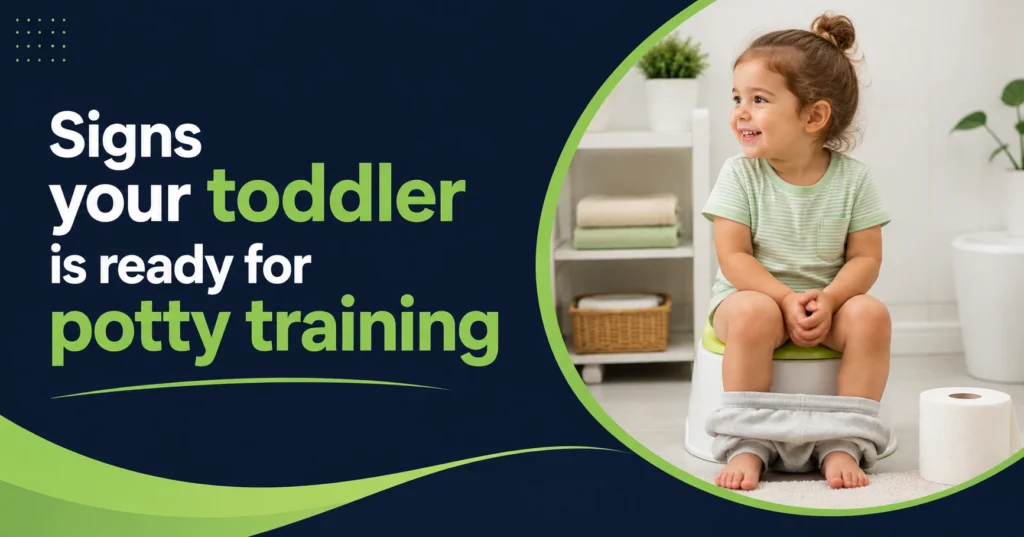
Potty training is among the most exciting events during your child’s first years. It is the first step towards greater independence and is a crucial stage in the development of your toddler. One of the most common concerns parents have is “How do I determine when my child is ready? ” The reality is that each child grows at their own rate and beginning the process too early can cause frustration for parents and toddlers.
Instead of focusing solely on the age it is important to look for indicators that your toddler is ready to start the potty. Being aware of these signs will make the process easier more relaxing, less stressful and much more efficient.
We at Alliance Home Healthcare Services we recognize that each milestone in development is important. Through our hospitable Infant and Toddler Care situated in Fredericksburg, VA, we assist families in creating healthy routines that promote the development of confidence, learning and independence within the safety of a nurturing and safe home environment.
Why Potty Training Readiness Matters
Parents often feel pressured to start potty training at the time their child is two. But readiness is much greater than age. Every toddler develops emotional, physical and social abilities at a different rate.
If children are really prepared to be ready, their chances are higher:
- Learn faster and avoid more mistakes.
- You can feel confident using the toilet.
- Make positive changes to your bathroom routines.
- Reduce stress and frustration.
- Create your independence naturally.
Waiting until your child displays clear readiness signals often results in a much more pleasant and pleasant experience for the entire family.
A Story Every Parent Can Relate To
Sarah who was a first-time parent in Fredericksburg was eager to start potty training her two-year-old daughter Emma. She purchased a fun potty chair, fun-filled stickers, as well as adorable training underwear. Every day, Sarah encouraged Emma to sit on the toilet but every attempt was met with tears and anger.
A few hours later, Sarah decided to slow down and just watch her daughter. She noticed that Emma did not get wet for a few hours, and began telling her that her diaper was soaked, and followed her to the bathroom, observing her with interest. After a few weeks, Emma wanted to sit on the toilet on her own. Within days, she was ecstatically celebrating her first victory.
Sarah discovered that the biggest difference was not the potty chair or the remunerations. The biggest difference was waiting for her daughter to be fully prepared.
Each kid has their very own unique timeline and being aware of the indications that your toddler is ready for potty-training can make a huge difference.
Top Signs Your Toddler Is Ready for Potty Training
1. They Stay Dry for Longer Periods
One of the earliest indicators of readiness is the fact that your child stays dry for at least 2 hours throughout the day, or getting up from naps with a clean diaper. This is a sign that your child is improving their bladder control and bladder control, which is essential to be successful in potty training.
2. They Tell You When Their Diaper Is Wet or Dirty
If your toddler begins to say phrases like “I’m getting wet” “Poopy,” or requests changing their diapers this indicates they understand the feeling of having to go. This recognition is one of the most crucial indications that your child is prepared for the process of toilet training.
3. They Show Interest in the Bathroom
Children learn best by watching their peers. If your child walks with you to the bathroom and is asking questions regarding the bathroom or asks to flush the toilet after using the toilet they’re becoming fascinated by the procedure.
Inspire this curiosity by explaining the bathroom routine in a clear and positive manner.
4. They Can Pull Their Pants Up and Down
Being able to handle clothing on your own is an essential element of toilet training. Children who are able to pull their pants down prior to using the toilet and get them back up again afterward are gaining the physical abilities they require for greater independence.
5. They Follow Simple Instructions
Potty training is a series of steps that include sitting on the toilet and wiping, flushing and washing your hands. If your toddler is able to understand and follow basic instructions you can expect them to be successful in their the training.
6. They Dislike Dirty Diapers
A lot of toddlers start to feel uncomfortable after wearing a wet or dirty diaper. They may request an unclean diaper, or attempt to get it out their own.
This increased awareness can encourage children to use the toilet instead.
7. They Have Predictable Bathroom Habits
A consistent bathroom schedule can help with potty training. If your child usually goes through bowel movements at the same time throughout the day, introduce potty training during those regular times.
8. They Show Signs Before They Need to Go
Sometimes, toddlers will pause while playing and squat, or hide behind furniture, or are extremely quiet prior to having the urge to bowel.
Recognizing these signals will allow parents to help gently lead their children to the bathroom in the appropriate time.
9. They Want to Be More Independent
As they get older, toddlers typically want to do things themselves. They may wish put on clothes, eat themselves or wash their hands.
This need for independence frequently is a result of learning to use the toilet.
10. They Can Sit Still for a Few Minutes
Potty training is a process that requires patience. If your child can sit on a chair for potty for between two and five minutes, while reading an audiobook or singing songs and interacting with the necessary attention span to complete the process.
Tips for a Successful Potty Training Journey
Potty training is a lifelong learning experience it’s not one to race. These tips will help parents as well as children.
Create a Consistent Routine
Encourage your child to use the potty immediately after waking at night, before bedtime, following meals and before you leave the home.
Celebrate Small Successes
Celebrate every accomplishment regardless of whether you’re sitting in the potty or telling you that they have go to the bathroom, or actually using the toilet.
Positive reinforcement builds confidence.
Be Patient
Accidents are not uncommon. Beware of criticism or punishment since they could cause anxiety or even resistance.
Read Potty-Themed Books
Guidebooks on toilet training aid toddlers in understanding what they can expect and make the experience less stressful.
Dress for Success
Pick clothes that are simple for toddlers to lift both ways, which will help them to become more independent.
Common Mistakes to Avoid
Even with their best intentions, families can make it more difficult to potty train their children.
Avoid:
- Beginning with your child before they are ready.
- Your child is compared to other children.
- Then forcing them to use the toilet.
- Remediating the cause of accidents.
- Looking forward to immediate results.
- The constant switching between diapers and underwear often.
Be aware that each child is learning at their own speed.
How Infant & Toddler Care Supports Potty Training
It is easier to learn healthy habits when children receive constant guidance throughout the day.
In Alliance Home Healthcare Services our infant and toddler care located in Fredericksburg, VA helps families with important milestones in their development such as potty training.
Our skilled caregivers are able to:
- Encourage potty training habits established by parents.
- Make sure you wash your hands properly and maintain a clean environment.
- Give gentle reminders throughout the day.
- Be proud of your achievements and encourage them with positive words.
- Keep a consistent routine between home activities and the support of caregivers.
- Create a nurturing, safe space where toddlers can feel at ease and are able to learn new abilities.
Working in close collaboration with families can help children build confidence and develop healthy habits that will last a life time.
Why Families Trust Alliance Home Healthcare Services
Every child deserves a loving and caring environment that promotes their emotional, physical and growth.
In Alliance Home Healthcare Services we recognize the importance of milestones like toilet training. involve more than acquiring the new skills. They’re about building confidence as well as independence and self-confidence.
Our individualized Infant and Toddler Care situated in Fredericksburg, VA provides individual attention that is tailored to the individual child’s requirements. Through structured routines, fun activities, and caring we assist children in reaching crucial milestones and give parents peace of peace of.
If your family requires the assistance of a regular basis or for occasional needs Our dedicated caregivers will help your child grow in the comforts of their own home.
Conclusion
Be aware of indicators that you know your child is prepared toilet training can be a first step to an enjoyable and satisfying experience. By being aware of your child’s physical, mental and developmental readiness, you will be able to begin the process of the process of potty training in a positive manner and ease the stress of everyone who is.
Remember that every toddler develops at their own speed. Be patient, celebrate progress, and be calm during setbacks and work to create a an environment that is supportive and in which your child is comfortable to grow.
In Alliance Home Healthcare Services we’re thrilled to work with families in providing loving Infant and Toddler Care within Fredericksburg, VA, helping babies reach their important milestones with a sense of confidence, concern and love throughout the process.
Frequently Asked Questions
1. What are the most obvious signs your child is ready to go potty training?
Signs of a dry mouth include: being dry for longer durations and showing an curiosity about toilets or communicating needs for the bathroom, not liking dirty diapers, and wanting more independence.
2. What is the ideal age at which to begin potty training?
The majority of youngsters are ready from the ages of 18 months to 3 years old age. However, readiness depends on each child’s individual growth, not age by itself.
3. How long does the process of learning to potty generally require?
Some toddlers are able to learn within several weeks, whereas others can take a long time. The consistency, patience as well as positive reinforcement is the key to success.
4. Do I have to force my toddler to go potty?
No. The pressure of potty training can cause tension and anxiety. It is recommended to wait until your child displays obvious signs of being ready.
5. What can caregivers do to help in potty training?
Professional caregivers can help reinforce routines, promote hygiene and provide gentle reminders and help maintain the family’s method of potty training.
6. What is the best way to help Infant & Toddler Care support the development of children?
Infant & Toddler Care provides individualized support for schedules, development milestones the early years of learning and healthy habits that help children develop in a secure and safe environment.
7. Potty training can affect the confidence of my kid?
Yes. An encouraging, patient approach can help children develop confidence and self-confidence, whereas punishment or pressure can harm their self-esteem.
8. Why should you choose Alliance Home Healthcare Services?
Alliance Home Healthcare Services offers an incredibly warm, family-focused infant & Toddler Care in Fredericksburg, VA, supporting the development of children through individualized treatment, structured routines and dependable home-based services.